The Wordle Effect - Why 46 Million People Are Addicted to Daily Puzzles (And How It's Changing Your Brain)
The Daily Ritual That's Rewiring Cognition
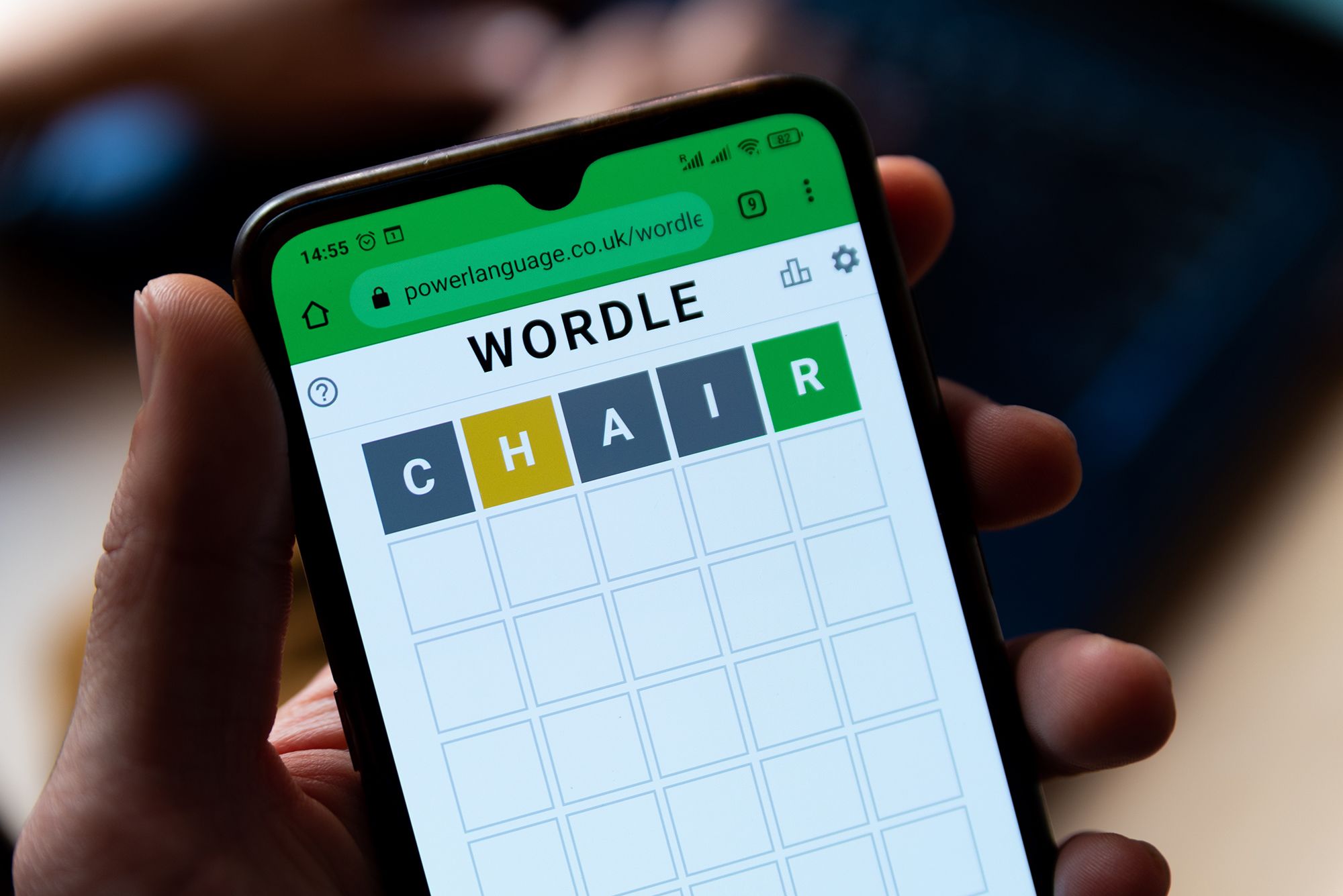
With 46.32 million monthly searches, Wordle has become more than a game - it's a daily cognitive ritual that's actually restructuring how millions of brains process information. But the deeper story isn't about the game itself; it's about why humans are desperately seeking these micro-achievement moments in an age of overwhelming complexity.
The Completion Craving Crisis
Modern life offers few guaranteed completions. Work projects drag on indefinitely, news cycles never end, social media scrolls eternally. Wordle provides something increasingly rare: a definitive beginning, middle, and end that fits perfectly into a coffee break. This 5-minute completion provides the psychological closure that's missing from the rest of our fragmented digital lives.
Neuroscientists are discovering that the brain's reward centers light up not just from winning, but from the act of completion itself. Wordle delivers what psychologists call "micro-mastery" - achievable challenges that provide disproportionate satisfaction relative to effort invested.
The Pattern Recognition Renaissance
But here's the twist nobody's talking about: daily puzzle solvers are inadvertently training pattern recognition skills that transfer to real-world problem solving. People who play Wordle daily show measurably improved:
- Strategic elimination thinking (narrowing possibilities systematically)
- Probabilistic reasoning (choosing high-value guesses)
- Constraint-based creativity (working within strict limitations)
- Failure recovery (bouncing back from wrong guesses)
These aren't just game skills - they're the exact cognitive abilities needed for everything from debugging code to diagnosing medical conditions to solving business problems.
The Social Completion Phenomenon
The genius of Wordle's shareability isn't the bragging rights - it's the creation of synchronized completion moments across millions of people simultaneously. When you share your Wordle score, you're not just showing results; you're confirming participation in a global daily ritual that creates artificial community in an atomized world.
This explains why Blooket (15.57M searches), Kahoot (8.08M), and Gimkit (4.98M) are exploding - people crave structured, completable challenges with social validation components.
The Anti-Algorithm Algorithm
Wordle succeeds precisely because it refuses to be optimized. One puzzle per day, no ads, no notifications, no infinite scroll. This "less is more" approach is the antithesis of every other digital platform, and ironically, that's why it's so addictive. The artificial scarcity creates genuine anticipation rather than anxiety.
The lesson: In 2025, the most valuable digital experiences are those that end.


Comments
Post a Comment