The "Work From Home" Depression - Why Remote Jobs Are Making Everyone Miserable
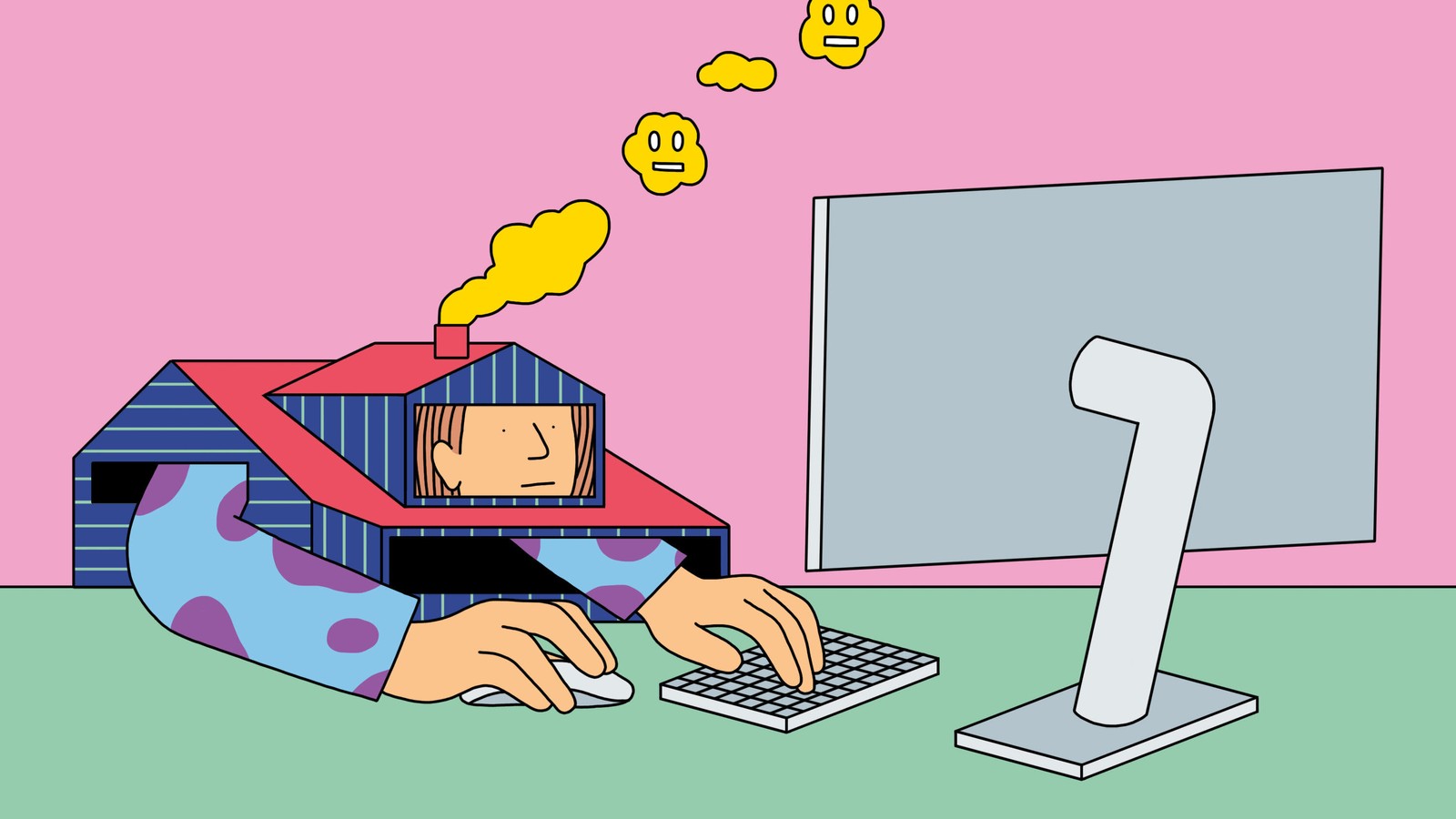
The Great Remote Work Bait-and-Switch
"Work from home jobs no experience" is trending massively because millions are desperate to escape traditional employment. But 3 years into the remote work revolution, we're discovering something unexpected: working from home is making people more anxious, isolated, and depressed than office work ever did.
The Productivity-Purpose Disconnect
Remote workers are more productive but less fulfilled. Without the social validation, spontaneous interactions, and physical separation between work and life, people are experiencing what psychologists call "productive emptiness" - achieving more while feeling less meaningful engagement.
The hidden cost: Your brain needs spatial separation to process work completion. When your bedroom is your office, your subconscious never fully disengages from work mode, creating constant low-level stress that accumulates into burnout.
The Asynchronous Communication Anxiety
Remote work means fewer meetings but more messages. The constant stream of Slack/Teams/Email creates "asynchronous anxiety" - the nagging uncertainty about whether you should respond now or later, whether silence means approval or displeasure, whether you're being productive enough when nobody can see you working.
This ambient anxiety is worse than meeting fatigue because it never ends. At least meetings have clear boundaries; asynchronous communication creates perpetual uncertainty that your brain can't resolve.
The Social Skill Atrophy
Remote workers are losing interpersonal capabilities that can't be rebuilt through Zoom calls:
- Reading room energy and adjusting communication accordingly
- Navigating spontaneous conflicts before they escalate
- Building trust through casual interactions outside formal contexts
- Developing political awareness of organizational dynamics
- Practicing real-time negotiation without time to craft perfect responses
These skills atrophy without in-person practice, creating a generation of digitally fluent but interpersonally awkward professionals.
The Routine Collapse
Office work provided automatic structure: commute, lunch breaks, casual conversations, clear end times. Remote work requires self-imposed structure, but most people lack the discipline to create and maintain it consistently.
The result: workdays that blur into evenings, meals eaten at keyboards, exercise skipped because "there's always more work," and the slow dissolution of healthy routines that office life unconsciously enforced.
The Solution Nobody Wants to Hear
The optimal work arrangement isn't fully remote or fully in-office - it's intentional hybrid: 2-3 days in-office for collaboration and social connection, 2-3 days remote for focused work. But most companies implement hybrid poorly, making it worse than either extreme.
True hybrid optimization requires:
- Coordinated in-office days (everyone comes in together)
- Remote days for deep work (no meetings, pure productivity)
- Clear communication protocols (sync vs. async expectations)
- Spatial work-life separation (dedicated home office space)
- Structured social rituals (mandatory casual interaction time)


Comments
Post a Comment